U.S. Student Visa Rejections Rising: What Every Indian Student Must Know Before Applying
For thousands of ambitious Indian students, the dream of studying in the United States is facing a harsh reality — U.S. student visa rejections are rising sharply. According to the U.S. State Department, over 35% of Indian applicants were denied F-1 visas in 2023, compared to just 15% five years ago. Why is this happening. What’s behind this decline? How does it affect your study abroad plans? And most importantly, what can you do about it? Let’s explore real data, causes, and practical solutions.
Why the Decline in U.S. Student Visas?
1. Rising Competition and Backlog
The demand for U.S. student visas has grown rapidly, especially after the pandemic when many students postponed their plans. This surge created a backlog, making it harder for new applicants to secure interview slots.
- Over 400,000 pending U.S. visa cases globally caused interview delays (Source: U.S. Department of State 2024).
- Limited embassy slots increased wait times up to 500 days in India.
2. Tougher Screening and Fraud Prevention
The U.S. government has implemented more rigorous vetting procedures, including social media screening and enhanced background checks.
- Consulates now review social media profiles and background checks for authenticity.
- Applicants must clearly demonstrate intent to return to India.
3. High Visa Refusal Rates in India
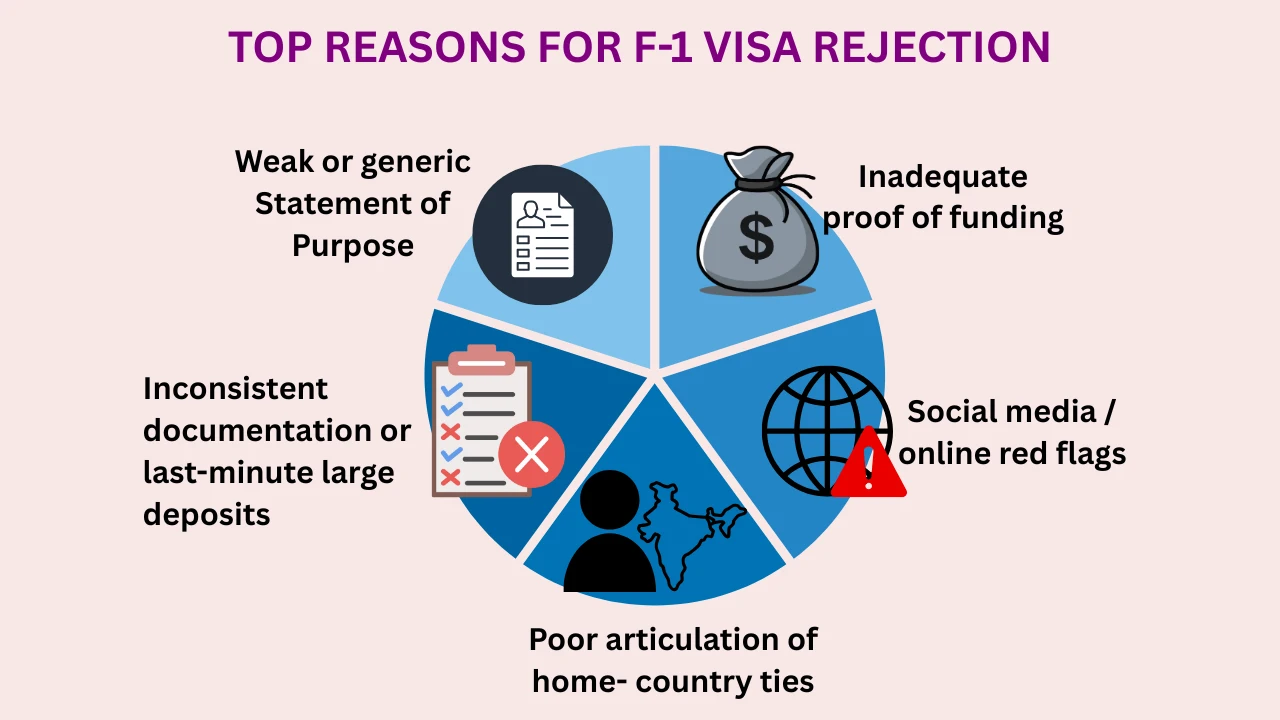
In recent years, India has witnessed some of the highest refusal rates for F-1 visas. Many students are rejected because they cannot demonstrate strong ties to India, lack financial documentation, or fail to communicate their academic intent clearly.
- India’s F-1 visa refusal rate hit 36% in 2023, among the highest globally.
- Most rejections stem from weak financial documentation and vague academic goals.
4. Policy and Immigration Concerns
Shifting U.S. immigration policies also play a role. With debates around international students staying back for work, authorities are cautious about applicants who appear more focused on employment than education.
The Department of Homeland Security (DHS) has proposed changes that could replace the flexible “duration of status” with a fixed, four-year visa term. This could impact students in longer programs (like PhDs) and those who rely on Optional Practical Training (OPT) for post-graduation work experience, a common pathway for Indian students.
5. New Visa Requirements and Fees
New rules may introduce additional financial burdens, such as a “Visa Integrity Fee” and a potential premium fee for expedited appointments. While India is not currently on the list for the visa bond pilot program, these changes reflect a broader trend of tightening visa regulations.
6. Removal of Interview Waivers
Prior to recent changes, some applicants, particularly children and seniors, could have their interviews waived. As of September 2025, in-person interviews are required for nearly all non-immigrant visa applicants, including children under 14 and seniors over 79.
This change has contributed to longer wait times and a backlog of applications.
How Indian Students Can Overcome the U.S. Visa Decline Challenges
If you’re planning to study in the U.S., the decline in visas doesn’t mean the door is closed. But it does mean you need to be better prepared. Here’s what to keep in mind:
- Stronger Documentation and Strengthen Financial Proofs: Ensure that your financial and academic documents are complete and consistent. Ensure your I-20 and bank statements align.
- Clear Academic Intent: Be ready to explain why you chose your university, course, and how it connects to your career goals. Link your program choice to future goals in India.
- Backup Options: Explore other study destinations as well, so your dreams aren’t dependent on one country.
Alternative Study Destinations
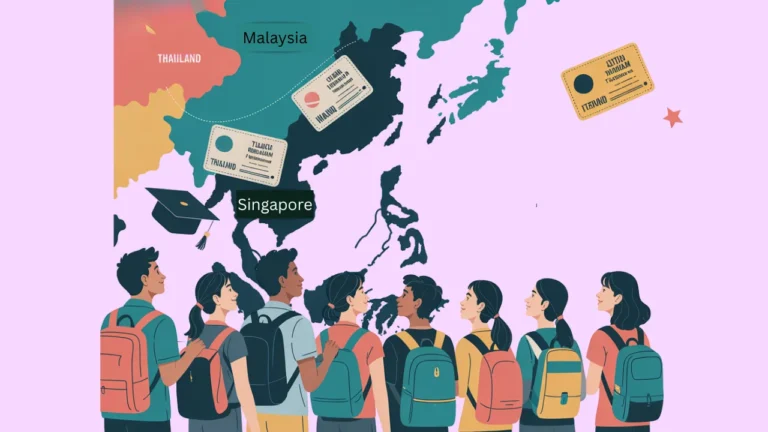
While the U.S. is still a top choice, more Indian students are now looking at alternatives like Canada, the UK, Australia, and even Dubai. Here’s why:
- Canada: Offers affordable tuition, strong Post-Graduation Work Permit (PGWP) options, and clear pathways to permanent residency.
- UK: Popular for business, humanities, and arts programs. The Graduate Route visa allows students to work for 2–3 years of post–study.
- Australia: Known for industry-focused education, with favorable post-study work visas and PR opportunities.
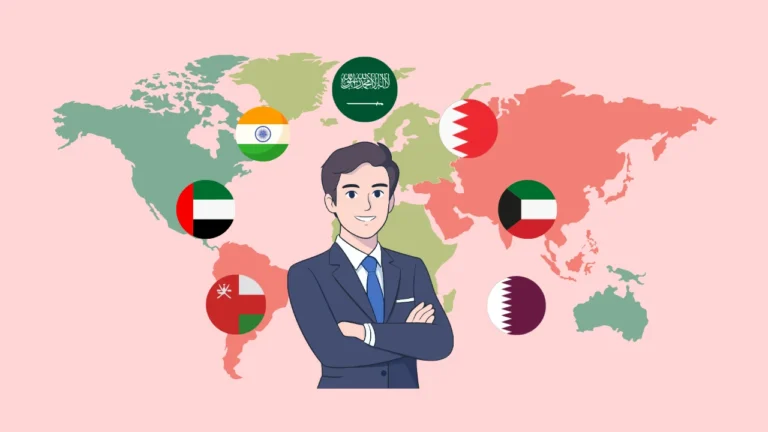
- Dubai: Rising fast as a hub with globally recognized universities, safety, and proximity to India.
By considering multiple destinations, you keep your options open and reduce the stress of relying on one outcome.
Real-Time Study Abroad Trends
- Over 2.5 lakh Indian students went to Canada in 2024 (Ministry of Education, India).
- Australia saw a 42% increase in Indian student enrollments post-visa delays in the U.S.
- UK’s Graduate Route Visa boosted stay-back opportunities by 28% in 2024.
How to Strengthen Your U.S. Student Visa Application
If your heart is still set on the U.S., here’s how you can improve your chances:
1. Prepare for the Visa Interview
Practice common questions:
- Why did you choose this university?
- How will you fund your education?
- What are your career plans after graduation?
Be confident, concise, and consistent with your answers.
2. Show Strong Ties to India
Visa officers want assurance that you’ll return home after your studies. Talk about your family, career plans in India, or any long-term goals that connect back to your home country.
3. Get Your Finances in Order
Proof of funds is crucial. Show clear evidence of how you’ll cover tuition, living expenses, and other costs. Sponsorships, Scholarships, or education loans should be well-documented.
4. Highlight Academic Excellence
A strong academic record, test scores (TOEFL/IELTS, GRE, GMAT), and relevant achievements add credibility to your application.
Impact on Study Abroad Trends
The decline in U.S. visas is already shaping new study abroad trends among Indian students:
- Diversification of Destinations: More students are choosing Canada, UK, Australia, and Europe.
- Shift Toward Affordable Options: Countries with lower tuition and living costs, like Germany, are becoming popular.
- Interest in Shorter Courses: One-year master’s programs in the UK or diploma programs in Canada are gaining traction.
- Regional Growth: Cities like Dubai and Singapore are emerging as competitive hubs due to proximity and global recognition.
Final Thoughts
The decline in U.S. student visas may feel discouraging, but it’s not the end of the road. With the right preparation, Indian students can still secure opportunities in the U.S.—but it’s wise to keep alternative destinations in mind.
Remember, studying abroad isn’t just about choosing a country; it’s about choosing a path that aligns with your career goals, financial capacity, and long-term vision.
FAQ Section
1: What is the current U.S. visa approval rate for Indian students?
Around 64% in 2024, according to the U.S. State Department.
2: What’s the biggest reason for visa rejection?
Incomplete financial proof or unclear academic goals.
3: Can I reapply after a U.S. student visa rejection?
Yes, you can reapply after 3–6 months with improved documentation.
4: Should I apply to Canada or UK as backup options?
Yes — both have faster processing times and higher approval rates.
How Mak Consultants Can Help
Navigating the changing visa landscape can feel overwhelming. That’s where Mak Consultants step in. From university selection and visa preparation to scholarship guidance, profile building, and post-arrival support, they provide end-to-end services tailored to your needs.
If you’re aiming for the U.S. but want to keep your options open with Canada, UK, Australia, or Dubai, their expert counselors can help you build a strong plan B, so your dreams don’t get stuck at the visa stage.
Ready to Study Abroad Without Visa Stress?
Book your Free Visa Success Consultation with Mak Consultants today.
Our experts will analyze your profile, documents, and success rate to guide you on the best route whether U.S., Canada, UK, or Australia.