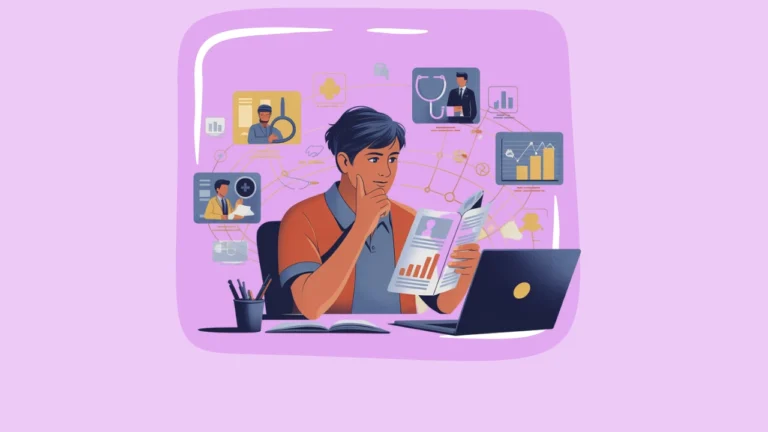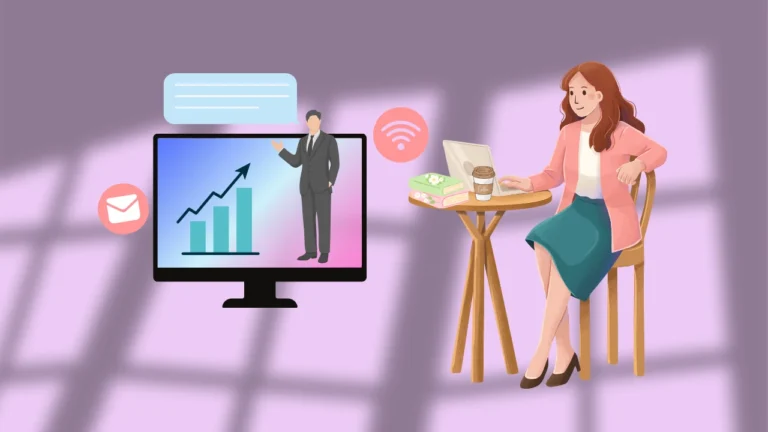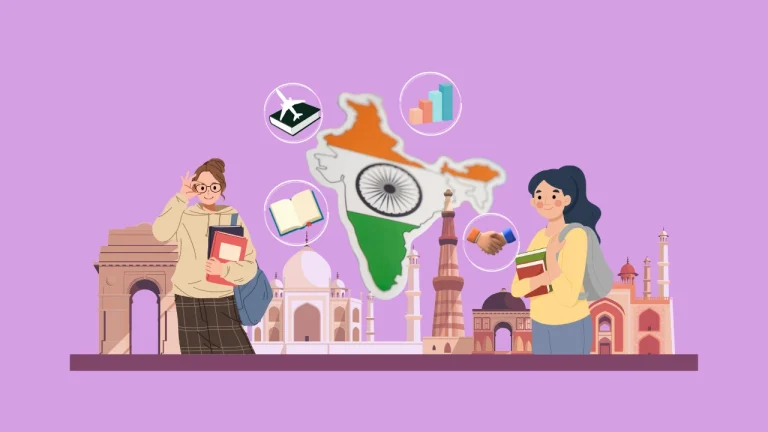
Confused About Studying Abroad After COVID? MOOCs & Hybrid Education Impact Indian Students
The COVID-19 pandemic fundamentally transformed education worldwide, but nowhere has this evolution been more dramatic than in India. As the world’s largest democracy with over 350 million students, India emerged not just as a participant but as a global leader in digital learning innovation. The rapid adoption of MOOCs (Massive Open Online Courses) and hybrid education models has positioned India at the forefront of the post-pandemic educational revolution.
The COVID-19 pandemic didn’t just change how Indian students learn, it changed how foreign universities evaluate profiles, credentials, and study abroad readiness. In 2025, MOOCs and hybrid education play a critical role in whether Indian students succeed or fail in their study abroad journey.
At MAK Consultants, we’ve witnessed firsthand how these transformative changes have created new pathways for Indian students to access quality education both domestically and internationally. Understanding this evolution is crucial for students and parents planning educational futures in 2025 and beyond.
Biggest Challenges Indian Students Face While Planning to Study Abroad After COVID
- Confusion about MOOCs validity for foreign universities
- Doubt whether online learning weakens visa applications
- Gap years caused by COVID lockdowns
- Rising visa rejections due to weak profiles
- Financial pressure & scholarship competition
The Pre-Pandemic Landscape
Before COVID-19, India’s education system faced significant challenges. With a student-teacher ratio often exceeding 30:1 in many institutions, limited access to quality education in rural areas, and infrastructure constraints affecting millions of learners, the system struggled to meet demand. Digital learning existed but remained peripheral, viewed with skepticism by traditional educators and parents alike.
Most Indian students relied entirely on physical classroom instruction, coaching centers, and printed textbooks. Online education was primarily limited to supplementary video lectures and test preparation materials. The digital divide—with only about 40% of households having internet access in 2019—seemed an insurmountable barrier to widespread digital adoption.
COVID-19: The Catalyst for Change
When COVID-19 forced schools and universities to close in March 2020, India’s education system faced an unprecedented crisis. Overnight, 320 million students were suddenly unable to attend physical classes. What initially seemed catastrophic became a powerful catalyst for innovation and transformation.
Government Response and SWAYAM Initiative
The Indian government rapidly mobilized digital resources, with the SWAYAM (Study Webs of Active-Learning for Young Aspiring Minds) platform emerging as a cornerstone of the response. Launched pre-pandemic but massively scaled during COVID, SWAYAM offered free online courses covering school education (Classes 9-12) and higher education across arts, sciences, engineering, humanities, and management.
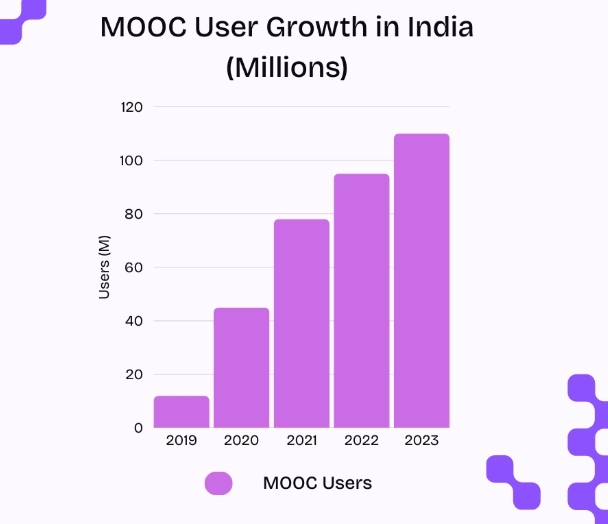
By 2023, SWAYAM had delivered over 2,500 courses to more than 70+ million learners, establishing itself as one of the world’s largest MOOC platforms. The initiative demonstrated that quality education could be democratized through technology, reaching students in remote villages and tier-3 cities previously underserved by traditional institutions. Many learners later applied to foreign universities using MOOCs as profile-strengthening credentials.
Rise of Indian EdTech Giants
COVID-19 accelerated the growth of Indian EdTech companies into global powerhouses. BYJU’S, already India’s most valuable EdTech startup, saw its user base explode from 40 million in early 2020 to over 150 million by 2023. The platform’s adaptive learning technology and personalized content delivery became models for digital education worldwide.
Unacademy transformed from a YouTube channel into India’s largest online learning platform, offering preparation courses for competitive exams, school curricula, and professional certifications. With over 60 million learners and 10,000 educators, Unacademy proved that the MOOC model could be commercially viable while maintaining accessibility.
Vedantu, Toppr, Physics Wallah, and numerous other platforms similarly scaled rapidly, collectively attracting billions in investment and serving hundreds of millions of students. This boom positioned India as the world’s second-largest EdTech market after China, with valuations exceeding $30 billion by 2024.
MOOCs: Democratizing Higher Education
Massive Open Online Courses (MOOCs) revolutionized access to quality education for Indian students during and after the pandemic. International platforms like Coursera, edX, and Udacity saw unprecedented Indian enrollment, while domestic platforms gained massive traction.
Key Advantages of MOOCs for Indian Students
Accessibility
Students from tier-2 and tier-3 cities gained access to courses from IITs, IIMs, and international universities like Stanford, Harvard, and MIT—previously accessible only to elite students.
Affordability
Most MOOCs offer free audit options, with paid certificates costing a fraction of traditional degree programs. Financial aid and scholarships made even premium courses accessible to economically disadvantaged students.
Flexibility
MOOCs allowed students to learn at their own pace, particularly valuable in a country where many students balance education with work or family responsibilities.
Skill Development
Professional courses in data science, artificial intelligence, digital marketing, and software development provided practical skills directly applicable to career advancement.
Global Recognition
Certificates from platforms like Coursera and edX, especially those from top universities, gained recognition among Indian and international employers, enhancing employability.
NPTEL: India’s Academic MOOC Pioneer
The National Programme on Technology Enhanced Learning (NPTEL), a joint initiative of IITs and IISc Bangalore, became a beacon of quality online education. Offering over 2,000 courses in engineering, sciences, management, and humanities, NPTEL courses are credit-recognized by many universities, allowing students to earn academic credits through online learning.
By 2024, NPTEL had enrolled over 15 million students in various courses, with completion rates significantly higher than global MOOC averages, demonstrating Indian students’ commitment to online learning.
Hybrid Education: The Future Model
While MOOCs provided solutions during lockdowns, the emergence of hybrid education—combining online and offline learning—represents the sustainable future of Indian education.
What is Hybrid Education?
Hybrid education integrates digital learning tools with traditional classroom instruction, creating a flexible, personalized learning experience. Students attend some classes physically while accessing lectures, assignments, and resources online. This model leverages the strengths of both approaches while mitigating their weaknesses.
Adoption Across Indian Education Sectors
Higher Education
Universities like BITS Pilani, Manipal Academy, and numerous state universities adopted hybrid models, offering recorded lectures, live online tutorials, and physical lab sessions. This allowed institutions to accommodate more students without proportionally expanding infrastructure.
K-12 Education
Schools integrated smart classrooms, digital textbooks, and online assignments with physical classes. The DIKSHA platform (Digital Infrastructure for Knowledge Sharing), launched by the government, provided quality e-content for school education, reaching over 300 million students by 2024.
Competitive Exam Preparation
Coaching institutes traditionally requiring physical attendance in cities like Kota and Delhi shifted to hybrid models, allowing students to access live online classes while optionally attending physical doubt-clearing sessions.
Professional Education
MBA programs, law schools, and other professional courses adopted hybrid formats, enabling working professionals to pursue higher education without career breaks.
Benefits of Hybrid Education
Personalized Learning: Digital platforms enable adaptive learning technologies that customize content based on individual student performance and learning pace.
Geographic Flexibility: Students in remote areas can access quality instruction while still benefiting from periodic physical interactions for practical learning and networking.
Cost Efficiency: Reduced infrastructure requirements lower education costs, making quality education more affordable for middle-class families.
Continuity: Hybrid models proved resilient during subsequent COVID waves and other disruptions, ensuring education continuity regardless of circumstances.
Enhanced Engagement: Interactive digital tools, gamification, and multimedia content increase student engagement compared to traditional lecture-based instruction.
Challenges and Solutions
Despite remarkable progress, India’s digital education revolution faces ongoing challenges that institutions, governments, and stakeholders continue addressing.
The Digital Divide
While internet penetration increased significantly during COVID, reaching approximately 60% of the population by 2024, disparities remain. Rural students, economically disadvantaged families, and students in certain states still struggle with connectivity and device access.
The Indian government rapidly mobilized digital resources, with the SWAYAM digital learning platform emerging as a cornerstone of the response to ensure uninterrupted access to education nationwide.
Solutions: Government initiatives like BharatNet aim to provide broadband connectivity to all gram panchayats. Affordable smartphones and data plans have made devices more accessible. Many EdTech companies offer low-bandwidth versions of their platforms, and government programs provide subsidized tablets to students.
Quality Concerns
The rapid proliferation of online courses raised questions about quality assurance, curriculum relevance, and learning outcomes. Not all digital content meets pedagogical standards, and some platforms prioritize quantity over quality.
Solutions: Regulatory bodies like UGC and AICTE established guidelines for online and hybrid programs, ensuring quality standards. Accreditation systems for online courses and platforms help students identify credible options. Teacher training programs in digital pedagogy improved instruction quality.
Assessment and Certification
Conducting fair, cheat-proof online examinations posed significant challenges. Employers initially viewed online degrees with skepticism, questioning their rigor compared to traditional programs.
Solutions: Advanced proctoring technologies, project-based assessments, and practical assignments reduced cheating concerns. Leading universities and institutions offering high-quality hybrid programs gained employer confidence. Industry partnerships validated course content and learning outcomes.
Student Engagement and Mental Health
Extended screen time, isolation from peers, and lack of physical activity during prolonged online learning affected student well-being. Maintaining motivation without classroom environments proved challenging for many students.
Solutions: Hybrid models addressing these concerns through scheduled physical interactions, virtual counseling services, and community-building activities improved student experiences. Emphasis on holistic development alongside academic learning gained priority.
India’s Global Impact
India’s digital education transformation influenced global educational practices, positioning the country as an exporter of educational technology and pedagogical innovation.
EdTech Exports
Indian EdTech companies expanded internationally, with platforms like BYJU’S acquiring international companies and launching in markets across Asia, Middle East, and Latin America. Indian educational content and teaching methodologies gained recognition worldwide.
Knowledge Sharing
India’s experience managing large-scale digital education initiatives provided valuable lessons for other developing nations facing similar challenges. SWAYAM’s success inspired similar platforms in countries throughout Asia and Africa.
Remote Education Model
India’s hybrid education model, balancing accessibility with quality, became a reference point for educational institutions worldwide designing post-pandemic learning strategies.
Implications for Students Planning International Education
For Indian students aspiring to study abroad, the COVID-era digital transformation has significant implications that MAK Consultants helps students navigate effectively.
Enhanced Preparation
MOOCs from international universities allow Indian students to familiarize themselves with global academic standards, teaching styles, and subject matter before committing to expensive foreign degrees. Completing courses from target universities demonstrates interest and capability during applications.
Credential Building
Certificates from recognized international MOOCs strengthen university applications, demonstrating initiative, skill acquisition, and ability to succeed in foreign educational environments.
Hybrid International Programs
Many international universities now offer hybrid programs allowing initial semesters online from India, reducing overall costs while providing pathways to full international degrees. This makes foreign education more accessible to middle-class families.
Skill Development
MOOCs in areas like coding, data science, and digital marketing enable students to develop marketable skills alongside their primary education, improving employment prospects post-graduation.
The Road Ahead
As we move further into 2025 and beyond, hybrid education and MOOCs will continue shaping India’s educational landscape. The initial emergency measures of COVID-19 have evolved into permanent, refined systems offering quality, accessibility, and flexibility previously unimaginable.
Artificial Intelligence integration promises further personalization of learning experiences. Virtual Reality and Augmented Reality technologies will make immersive learning accessible to students across India. Blockchain-based credentials will make verification of online learning achievements seamless and globally recognized.
India’s continued investment in digital infrastructure, teacher training, and educational technology innovation positions the country to lead global education transformation in the coming decades. For students and parents, understanding and leveraging these opportunities is key to educational and career success.
FAQ
Do MOOCs help Indian students get admission abroad?
Yes. MOOCs help Indian students get admission abroad by strengthening academic profiles, demonstrating skill development, and showing readiness for global education standards—especially when courses align with the chosen degree and career goals.
Are Coursera or NPTEL certificates valid for study abroad?
Yes. Coursera and NPTEL certificates are valid as profile-enhancing credentials for studying abroad in the US, UK, Canada, and Australia, particularly when issued by IITs, IISc, or top global universities.
Does online education affect student visa approval for Indian students?
No. Online education does not negatively affect student visa approval if the applicant clearly explains learning outcomes, maintains academic continuity, and demonstrates genuine study intent through SOPs and interviews.
Can hybrid programs reduce study abroad costs for Indian students?
Yes. Hybrid programs reduce study abroad costs by allowing Indian students to complete part of their education online from India, saving on accommodation and living expenses before moving abroad.
How can MAK Consultants help Indian students after COVID?
MAK Consultants helps Indian students by guiding MOOC selection, strengthening study abroad profiles, improving SOPs, advising on hybrid programs, and preparing students for visa interviews.
Conclusion
India’s response to COVID-19’s educational challenges showcased remarkable resilience, innovation, and adaptability. The rapid adoption of MOOCs and development of hybrid education models transformed perceived disadvantages into opportunities, democratizing access to quality education for hundreds of millions of students.
The post-pandemic educational landscape offers more pathways to success than ever before. Whether pursuing education within India or abroad, students have unprecedented access to quality content, flexible learning options, and global opportunities. The key is navigating this complex environment strategically—something MAK Consultants specializes in facilitating.
How MAK Consultants Supports Your Educational Journey
At MAK Consultants, we recognize that the post-COVID educational landscape offers unprecedented opportunities alongside new complexities. Our comprehensive services help students navigate this evolving environment effectively.
Digital Learning Guidance: We help students identify high-quality MOOCs and online programs aligned with their career goals, whether for skill development, academic preparation, or earning recognized credentials.
Hybrid Program Selection: For students interested in hybrid education models—whether domestic or international—we provide expert guidance on program selection, ensuring quality, recognition, and value for investment.
International Education Planning: Understanding how digital credentials and hybrid learning fit into international university applications, we help students strategically leverage online education to strengthen their profiles.
Career Counseling: Our team provides insights into how hybrid education and MOOCs align with industry requirements, helping students make informed decisions about skill development and career pathways.
Comprehensive Support: From initial counseling through application support, visa guidance, and post-arrival assistance, MAK Consultants offers end-to-end services for students pursuing education in India or abroad.
Still Confused About MOOCs, Hybrid Education & Studying Abroad?
Start Your Study Abroad Journey the Right Way with MAK Consultants and find out:
- Which MOOCs actually help your applications
- How to justify online learning in visa interviews
- How to rebuild your profile post-COVID