Indian GCC Professionals: The Value of Cultural Fluency
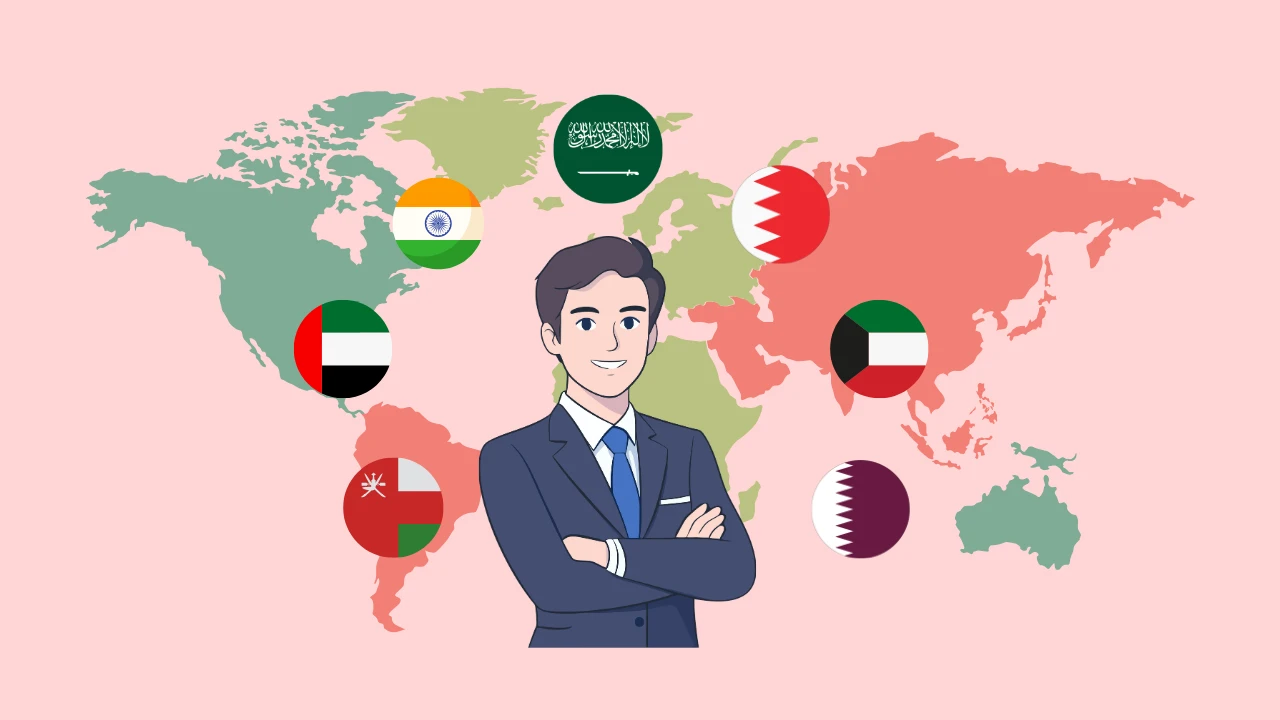
The Gulf Cooperation Council (GCC), comprising the UAE, Saudi Arabia, Oman, Qatar, Bahrain, and Kuwait has long been a hub for Indian professionals. From engineers and healthcare workers to bankers and entrepreneurs, Indians form one of the largest expatriate communities in the region. Indian professionals technical expertise, adaptability, and strong work ethics are well recognized.
But in today’s interconnected GCC workplace, technical skills alone are not enough. The real differentiator is something less tangible but equally powerful: cultural fluency.
So, what does cultural fluency mean, and why is it so critical for Indian professionals working in the Gulf? Let’s explore.
What Is Cultural Fluency?
Cultural fluency is the ability to understand, respect, and adapt to different cultural contexts. It’s not about losing your identity but about being aware of how culture shapes communication, work styles, decision-making, and relationships.
In the GCC, where workplaces bring together locals, Indians, Filipinos, Westerners, and others, cultural fluency is the key to building trust and navigating differences gracefully.
Why Cultural Fluency Matters in the GCC
1. Building Stronger Workplace Relationships
The GCC is home to diverse teams. An Indian engineer might report to a British manager, collaborate with Emirati colleagues, and supervise a multi-ethnic team. In such an environment, cultural fluency helps you:
- Recognize different communication styles (direct vs. indirect).
- Show respect for local traditions and practices.
- Avoid misunderstandings that can arise from cultural assumptions.
2. Aligning with Local Business Etiquette
In the GCC, business is often deeply intertwined with personal relationships and trust. Unlike more transactional business cultures, a deal is rarely just a deal; it’s a commitment built on mutual respect and rapport. Each GCC country has unique business customs. For instance:
- In the UAE, meetings often begin with casual conversations before business.
- In Saudi Arabia, personal relationships are valued before deals are signed.
- In Qatar, punctuality is important, but flexibility is expected if a meeting runs late.
Professionals who understand and adapt to these norms earn greater respect and credibility.
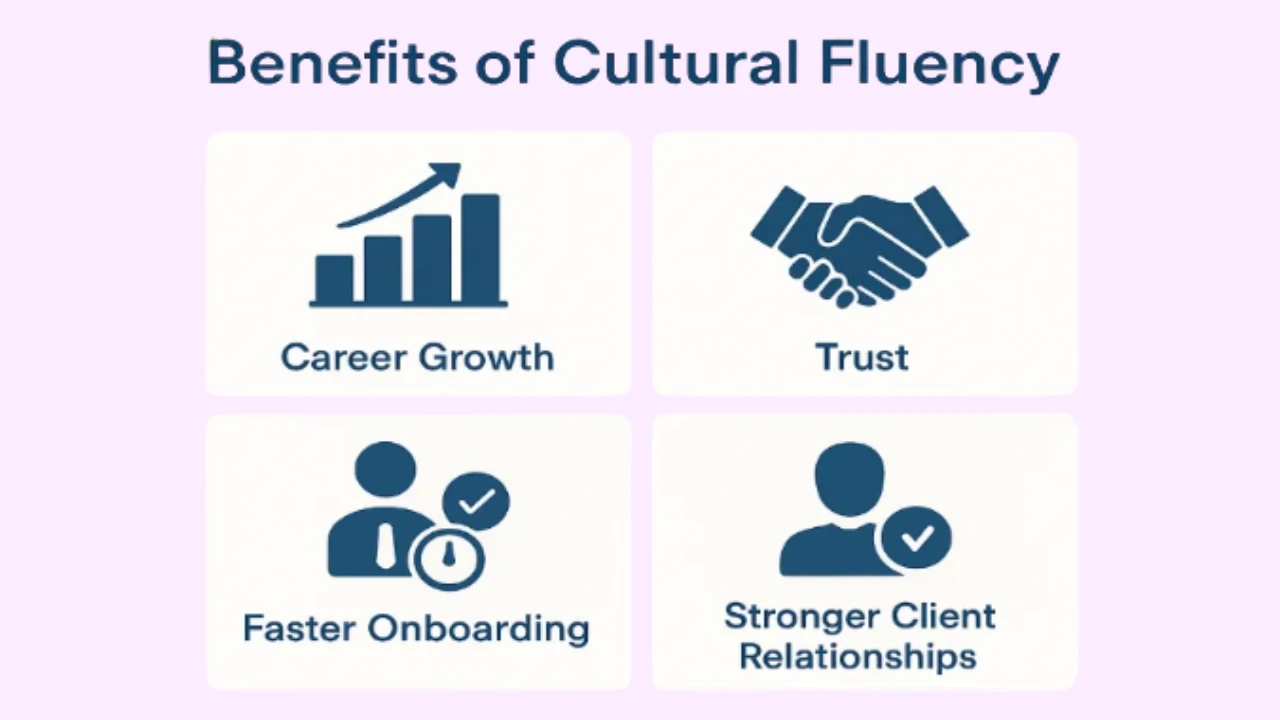
3. Enhancing Career Growth
Cultural fluency doesn’t just prevent conflicts, it accelerates success. Leaders who demonstrate cross-cultural awareness are more likely to be promoted to regional roles. They are seen as bridge-builders, capable of managing diverse teams and client bases.
4. Strengthening Community Connections
Beyond work, cultural fluency enriches social life. Respecting Ramadan practices, learning a few Arabic greetings, or understanding the significance of National Day can help Indian professionals feel more integrated and valued in their host communities.
The Indian Edge in the GCC
Indians already bring an advantage: centuries of historical, cultural, and trade ties with the Gulf. Shared cuisines, family values, and even language overlaps (like Hindi/Urdu words in Arabic and vice versa) make it easier to build connections.
However, relying only on familiarity can be limited. A deeper, conscious effort at cultural fluency takes this advantage further turning Indian professionals into trusted collaborators and leaders in GCC organizations.
Respecting Local Traditions: A Must-Know
Some quick cultural practices every Indian professional in the GCC should be mindful of:
- Greetings: A handshake is common but wait for women to extend their hand first in conservative settings. Using “As-salaam Alaikum” is always appreciated.
- Ramadan Etiquette: Do not eat or drink in public during fasting hours. Work timings also change during this month.
- Dress Code: Conservative attire is expected in professional settings. Suits, long-sleeved shirts, or modest dresses are safe choices.
- Hospitality: If offered Arabic coffee or dates, accepting them is a sign of respect.
- Hierarchy: Respect for authority and seniority is deeply valued in GCC workplaces.
These small gestures go a long way in signaling awareness and respect.
Practical Tips to Develop Cultural Fluency
If you’re an Indian professional in the GCC or planning to move there, here’s how you can build your cultural fluency:
- Learn Basic Arabic Phrases
Even a few words like shukran (thank you), marhaba (hello), or inshallah (God willing) create goodwill.
- Observe Before Acting
Pay attention to how your colleagues greet, communicate, and conduct meetings. Adapt accordingly.
- Understand Religious Sensitivities
Islam plays a central role in GCC life. Be mindful of prayer times, Friday as the weekly holiday, and Islamic festivals.
- Be Flexible with Time
While punctuality is valued, meetings may not always start on the dot. Patience is seen as professionalism.
- Respect Work-Life Balance
Family is highly prioritized in the GCC. Showing respect for family commitments fosters stronger bonds.
- Seek Feedback
If unsure, ask trusted colleagues or mentors how your behavior is perceived. This openness itself is a sign of cultural intelligence.
Case Study: Cultural Fluency in Action
Consider Ramesh, an Indian project manager working in Dubai. Initially, he struggled with delays in client responses and misinterpreted them as disinterest. After cultural training, he realized that in Emirati business culture, decisions often take time because they require consultation with family or senior advisors.
By adjusting his expectations, showing patience, and focusing on relationship-building instead of pushing for quick deals, Ramesh not only closed contracts but also gained long-term clients.
This example shows how cultural fluency directly impacts success.
The Bigger Picture: Indians as Cultural Bridges
Indian professionals are uniquely positioned in the GCC. They often act as cultural bridges connecting East and West, locals and expats. By combining technical expertise with cultural awareness, they:
- Strengthen India – GCC business partnerships.
- Help global companies navigate local markets.
- Foster inclusive, high-performing workplaces.
Future Outlook: Cultural Fluency as a Leadership Skill
As GCC nations diversify their economies under Vision 2030 (Saudi Arabia) and similar initiatives across the region, demand for culturally fluent leaders will grow. Professionals who can adapt, respect, and integrate will be at the forefront of this transformation.
For Indian professionals, this means that cultural fluency is not optional—it’s essential for long-term success.
Conclusion
Indian professionals in the GCC have always been valued for their skills and resilience. But in today’s evolving workplace, cultural fluency is the real game-changer. It enhances workplace relationships, boosts career growth, and strengthens community integration.
At the end of the day, cultural fluency is not just about fitting in—it’s about standing out for the right reasons. For Indian professionals aspiring to grow in the GCC, having the right guidance can make the journey smoother. At MAK Consultants, we go beyond standard study abroad and career support, helping students and professionals alike prepare for the cultural, academic, and professional transitions that define success in global markets.