
OPT Crisis Tips for Future-Proofing U.S. Career Plans
The landscape for international students in the USA has undergone dramatic shifts in recent years, creating unprecedented challenges for those navigating optional practical training opportunities. At Mak Consultants, Hyderabad, we’ve witnessed firsthand how USCIS policy changes have created anxiety among students seeking to build successful careers in America. The current international student challenges demand strategic planning, adaptive thinking, and a comprehensive understanding of evolving immigration pathways.
Understanding the Current OPT Landscape
The OPT work authorization system, once a reliable bridge between education and career establishment, now faces increased scrutiny and changing regulations. F1 visa OPT rules have become more complex, with stricter compliance requirements and limited flexibility for students. The STEM OPT extension, while beneficial for science, technology, engineering, and mathematics graduates, requires careful navigation to maintain legal status and maximize career opportunities.
Recent OPT regulations emphasize the critical importance of understanding CPT vs OPT distinctions. Curricular practical training CPT offers valuable work experience during academic programs, but improper usage can jeopardize future OPT eligibility. Students must carefully balance gaining practical experience with preserving their most valuable post-graduation work authorization period.
The Reality of F1 Visa Employment
F1 visa employment opportunities extend beyond traditional OPT pathways, but require strategic planning and a comprehensive understanding of F1 visa requirements. The current environment demands that students diversify their approach, considering multiple scenarios for work in America while maintaining compliance with F1 visa restrictions.
International student employment success increasingly depends on developing industry-specific keywords expertise that aligns with market demands. Technology, healthcare, finance, and engineering sectors continue offering the most robust visa sponsorship jobs in the USA, particularly for those with specialized skills and advanced degrees.
Strategic Career Planning Approaches
Building Workforce Readiness Skills
Success in today’s competitive market requires more than technical expertise. Workforce readiness skills encompass communication, adaptability, problem-solving, and cultural competency. These soft skills for career success often differentiate international candidates in competitive job markets, making them more attractive to potential sponsors for H1B visa sponsorship.
Career advancement strategies must begin during academic programs, not after graduation. Students should leverage university career services, industry partnerships, and networking opportunities to build professional relationships. This proactive approach significantly improves outcomes for job search for international students and creates pathways for future career growth.
Developing Industry-Specific Expertise
International student career success increasingly depends on specialized knowledge within high-demand sectors. Technology companies actively seek graduates with expertise in artificial intelligence, cybersecurity, and data analytics. Healthcare organizations require professionals with both technical skills and cultural competency to serve diverse patient populations.
The key lies in understanding which industries actively pursue recruiting international students and aligning academic and professional development accordingly. Students should research companies known for visa sponsorship jobs in usa and tailor their skill development to meet these organizations’ specific needs.
Alternative Pathways and Global Perspectives
Exploring International Opportunities
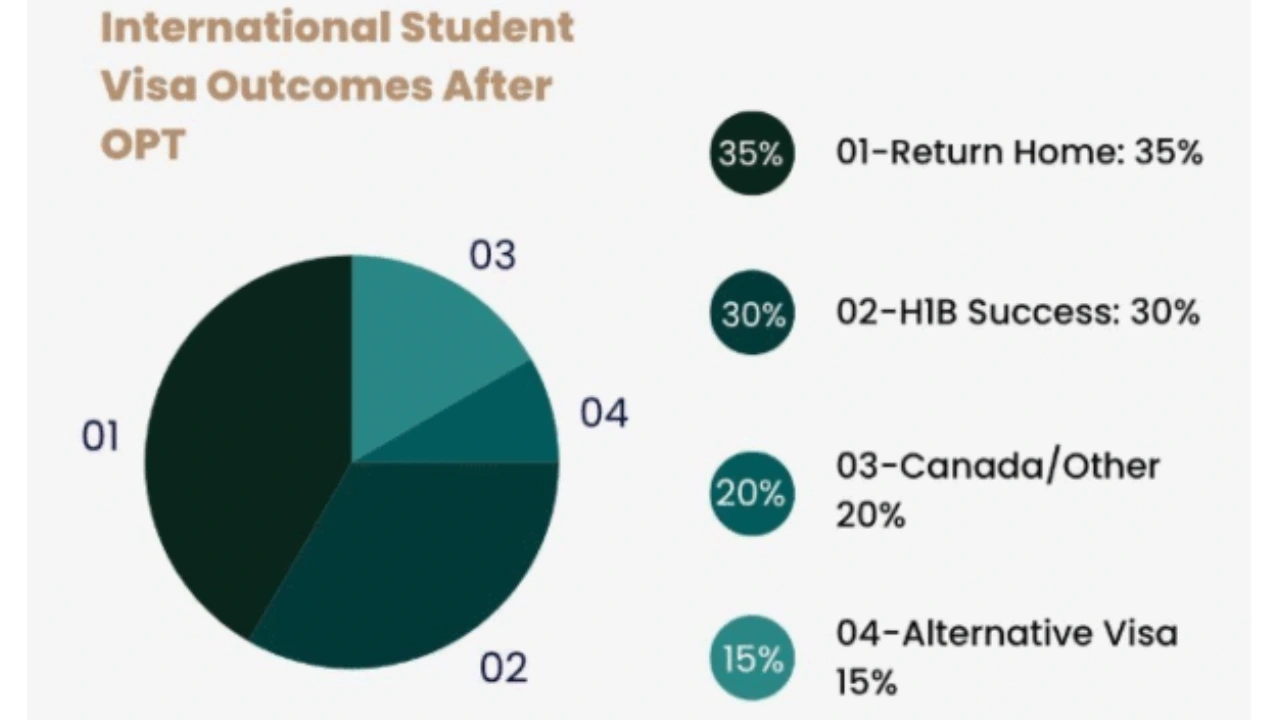
While the focus often remains on work in America, smart career planning includes considering global career opportunities. International student Canada policies offer more favorable immigration pathways, with faster processing times and clearer paths to permanent residency. Working abroad after graduation can provide valuable international experience while maintaining career momentum.
These alternative pathways shouldn’t be viewed as backup plans but as strategic moves — supported by India’s NEP 2020 smarter study-abroad framework that enhances global competitiveness. Experience in multiple countries demonstrates adaptability, cultural awareness, and international business acumen – qualities increasingly valued by multinational corporations.
Understanding Visa Status Transitions
Changing visa status requires careful planning and timing. The transition from F1 to H1B involves complex requirements, lottery systems, and employer sponsorship. Students must understand these processes early in their academic careers to make informed decisions about course selection, internships, and job search strategies.
Green card for international students represents the ultimate goal for many seeking permanent career establishment in the United States. Understanding various pathways – through employment, family connections, or special programs – helps students make strategic decisions about their career trajectory and educational investments.
Financial Strategies and Continued Education
Scholarship Opportunities Post-Graduation
Scholarships after graduation extend beyond traditional degree programs. Many organizations offer funding for professional development, certification programs, and continuing education that enhance employability. These opportunities particularly benefit students in STEM fields, where rapid technological advancement requires continuous skill updates.
Professional associations, industry groups, and government programs offer various funding mechanisms for international students seeking to enhance their qualifications while maintaining legal status. These programs often provide networking opportunities and direct connections to potential employers.
Lifelong Learning Career Development
The concept of lifelong learning career has become essential in today’s rapidly evolving job market. Technology disruption, changing business models, and evolving consumer needs require professionals to continuously update their skills and knowledge. This approach particularly benefits international students, who can leverage their diverse educational backgrounds and global perspectives as competitive advantages.
Professional development programs, online certifications, and industry-specific training help maintain relevance in competitive job markets. These investments demonstrate commitment to excellence and adaptability – qualities highly valued by employers considering H1B visa sponsorship.
Networking and Professional Development
Strategic Career Networking
Career networking tips for international students must account for cultural differences and communication styles. Building professional relationships requires understanding American business culture while leveraging unique international perspectives. Effective networking involves genuine relationship building; not merely transactional interactions focused on immediate job opportunities.
Professional associations, alumni networks, and industry conferences provide structured environments for meaningful connections. These relationships often prove more valuable than direct job applications, as personal recommendations carry significant weight in hiring decisions.
Working with Career Professionals
A qualified career transition coach can provide invaluable guidance for navigating complex career decisions and visa requirements. These professionals understand both the technical aspects of immigration law and the practical realities of job market competition. Their expertise proves particularly valuable during job search international students efforts and career change strategies.
At Mak Consultants, we’ve seen how professional guidance transforms uncertain students into confident professionals with clear career trajectories. This support becomes particularly crucial during periods of policy uncertainty and market volatility. For comprehensive career development resources tailored to international students, explore our career coaching services.
Industry-Specific Strategies
Different industries require tailored approaches to career development and visa sponsorship. Technology companies often have established programs for international talent, while healthcare organizations may offer specialized pathways for medical professionals. Financial services firms increasingly value international experience and language skills.
Understanding these industry-specific keywords and requirements helps students focus their preparation efforts effectively. Rather than pursuing generic job search strategies, successful international students research their target industries thoroughly and develop specialized expertise accordingly.
Future-Proofing Career Strategies
The key to successful career future-proofing lies in developing portable skills, maintaining legal status flexibility, and building diverse professional networks. Students should view their American education as the foundation for global career opportunities rather than limiting themselves to single-country focus.
This approach requires balancing immediate practical needs with long-term strategic goals. While OPT work authorization provides immediate employment opportunities, successful professionals think beyond these initial steps to build sustainable, internationally competitive careers.
For additional insights on navigating complex immigration and career challenges, visit our international student support services.
Conclusion
The current environment presents unprecedented challenges for international students seeking to establish careers in America. However, those who approach these challenges strategically, with comprehensive planning and professional guidance, can successfully navigate the complexity and build thriving careers.
Success requires understanding that career development is a long-term process involving continuous learning, strategic networking, and adaptive planning. By developing portable skills, maintaining global perspectives, and building diverse professional networks, international students can create resilient career strategies that thrive regardless of policy changes or economic fluctuations.
The investment in comprehensive career planning pays dividends throughout professional life, creating opportunities for advancement, entrepreneurship, and global mobility. For the most current information on OPT regulations and career planning strategies, consult the official USCIS Student and Exchange Visitor Program resources.
Ready to future-proof your U.S. career plans? Contact Mak consultants, Hyderabad for expert guidance on navigating OPT challenges and building successful international careers.